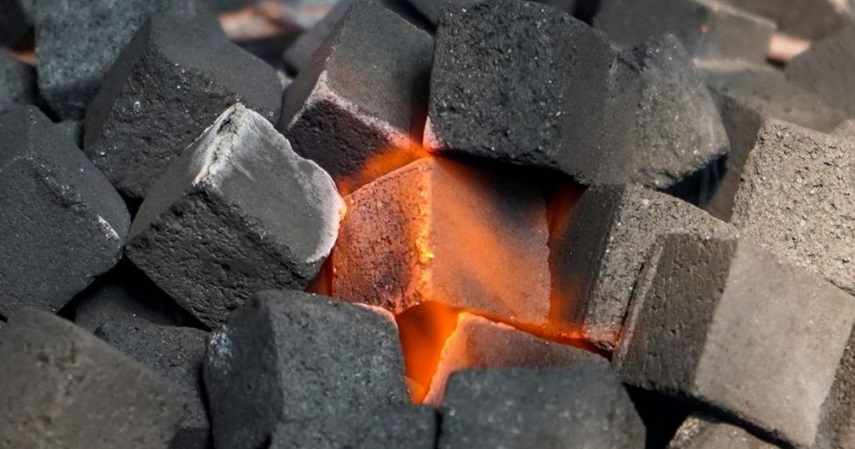
Indonesia is one of the world’s leading producers of charcoal, especially coconut shell charcoal briquettes. With increasing global demand for eco-friendly fuel, many businesses are entering the export market. Understanding Indonesia charcoal export regulations is essential for ensuring compliance and avoiding delays in international trade.
Exporting charcoal is not just about supplying products overseas. It involves following strict legal procedures, preparing proper documentation, and meeting international standards. By understanding the regulations, exporters can operate more efficiently and build trust with global buyers.
Indonesia Charcoal Export Regulations for Beginners
For beginners, it is important to understand the basic framework of Indonesia charcoal export regulations. Businesses must be legally registered and obtain a Business Identification Number along with an export license. These requirements ensure that exporters are authorized to conduct international trade.
To gain a clearer understanding of the export process, you can refer to detailed resources such as how to export briquettes from indonesia. This guide explains the necessary steps for beginners in a structured way.
Legal Requirements and Licensing
Legal compliance is a critical part of exporting charcoal from Indonesia. Exporters must ensure that their business is properly registered and meets all government requirements. This includes obtaining the necessary permits and complying with taxation rules.
In addition, exporters must ensure that their products meet quality and safety standards required by importing countries. Failing to meet these standards can result in rejected shipments or penalties.
Documentation Under Indonesia Charcoal Export Regulations
Proper documentation is essential when exporting charcoal. Key documents include a commercial invoice, packing list, and bill of lading. These documents provide detailed information about the shipment and are required for customs clearance.
Exporters must also ensure that all information is accurate and consistent across documents. Errors can lead to delays or additional costs during the shipping process.
Product Standards and Compliance
Meeting product standards is another important aspect of Indonesia charcoal export regulations. Buyers expect charcoal products to have consistent quality, including low ash content and stable burning performance.
To increase buyer confidence, exporters can present their products through trusted platforms like coconut shell charcoal briquettes, where detailed specifications are clearly explained. This helps demonstrate product reliability and professionalism.
Quality control during production and proper packaging will ensure that the products meet international requirements.
Shipping and Customs Procedures
Shipping is a key part of the export process. Charcoal is typically transported via sea freight due to its volume and weight. Exporters must coordinate with freight forwarders to manage logistics efficiently.
Customs procedures also play an important role. Exporters must submit all required documents and ensure compliance with both Indonesian regulations and the importing country’s rules. Proper preparation will help avoid delays and ensure smooth delivery.
Conclusion on Indonesia Charcoal Export Regulations
Understanding Indonesia charcoal export regulations is essential for anyone looking to succeed in the export business. From legal requirements and documentation to product standards and logistics, each step plays an important role in ensuring smooth operations.
Although the process may seem complex, it becomes easier with proper knowledge and experience. By focusing on compliance, quality, and professionalism, exporters can build a strong and sustainable business in the global charcoal market.