A sustainable coconut shell charcoal manufacturer plays an important role in the global transition toward environmentally responsible energy sources. As industries search for cleaner fuel alternatives, coconut shell charcoal continues gaining attention in culinary, hospitality, and commercial sectors.
Moreover, coconut shells provide a renewable raw material. Instead of becoming agricultural waste, these shells can be transformed into high-value charcoal briquettes used in many countries.
Sustainable Coconut Charcoal Market Growth
In recent years, the demand for eco-friendly charcoal has increased significantly. Many businesses now prefer renewable fuel sources that support environmental responsibility.
Because of this shift, the role of a sustainable coconut shell charcoal manufacturer becomes increasingly important. Producers must ensure consistent quality while maintaining responsible production methods.
Furthermore, coconut shell charcoal offers several advantages:
-
Renewable raw material from coconut farming
-
Longer burning time than traditional wood charcoal
-
Lower smoke and odor during use
-
Consistent heat output for cooking and shisha
Therefore, international buyers actively search for manufacturers who prioritize sustainability.
Benefits of Coconut Shell Charcoal
Coconut shell charcoal delivers both environmental and practical benefits. Since manufacturers use agricultural by-products, the production process reduces organic waste.
At the same time, this approach helps prevent unnecessary deforestation. Traditional charcoal often relies on wood, while coconut charcoal uses renewable shell materials.
Additionally, high-quality coconut charcoal typically provides:
-
Higher carbon content
-
Stronger briquette density
-
Stable and long-lasting heat
Because of these qualities, the product remains popular in global barbecue and hookah markets.
Sustainable Coconut Shell Charcoal Production
The production process requires careful control at every stage. Responsible factories follow structured methods to maintain both sustainability and product performance.
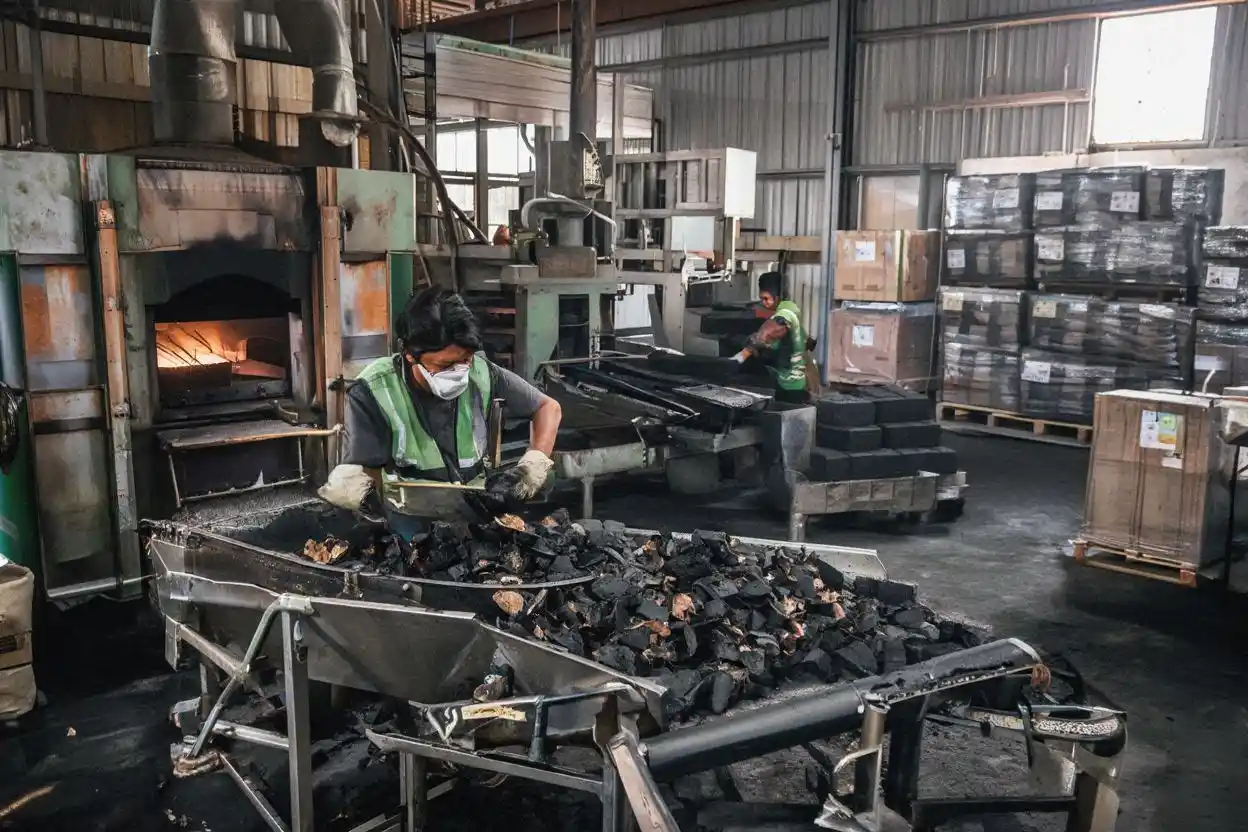
First, producers carbonize coconut shells inside controlled kilns. During this stage, high temperatures convert the shells into charcoal with strong carbon content.
Next, workers crush the charcoal and combine it with natural binders. Machines then compress the mixture into uniform briquettes.
Finally, manufacturers dry the briquettes to reduce moisture and increase durability. As a result, the finished charcoal burns longer and produces minimal ash.
Because quality standards matter, many businesses prefer working with a reliable coconut shell charcoal manufacturer that maintains consistent production systems.
Choosing a Sustainable Charcoal Manufacturer
Selecting a reliable supplier requires careful consideration. Buyers should evaluate both production capability and sustainability practices.
First, experienced manufacturers provide clear product specifications and testing information. They also maintain transparent communication with international partners.
Businesses typically consider several factors when selecting suppliers:
-
Factory production capacity
-
Raw material sourcing practices
-
Quality control systems
-
Export logistics and packaging options
For readers who want to explore industry knowledge and production insights, indobriquettescharcoal.com offers helpful articles discussing coconut charcoal manufacturing, sustainability practices, and global supply trends.
Future of Sustainable Charcoal Industry
Global interest in sustainable fuel continues to grow every year. As environmental awareness increases, many industries are shifting toward renewable energy alternatives.
Consequently, the importance of a sustainable coconut shell charcoal manufacturer will continue expanding in international markets. Indonesian and Southeast Asian producers already supply charcoal to regions such as the Middle East, Europe, and North America.
In addition, improved production technology helps manufacturers increase efficiency while maintaining eco-friendly standards.
Conclusion
A sustainable coconut shell charcoal manufacturer supports both environmental sustainability and global energy needs. By converting coconut shells into valuable fuel products, manufacturers reduce agricultural waste while providing reliable charcoal for many industries.
Furthermore, responsible production systems help maintain consistent quality for international buyers. Controlled carbonization, proper raw material selection, and efficient processing all contribute to better charcoal performance.
For businesses seeking reliable and environmentally responsible fuel sources, coconut shell charcoal remains a practical and sustainable solution for the future.